
Home » 3D visualizations of furniture packshot
3D furniture packshot visualizations - a modern alternative to product photography
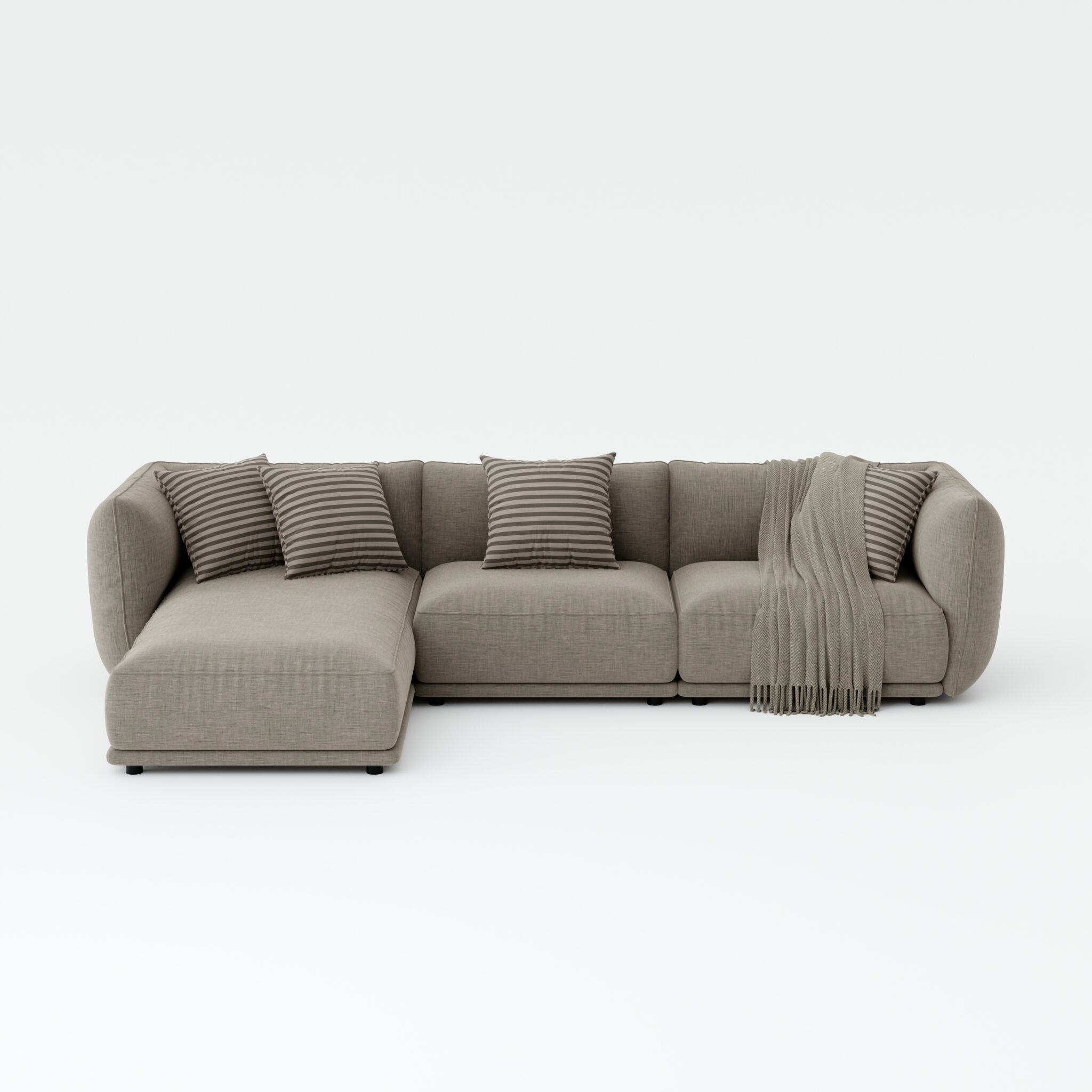
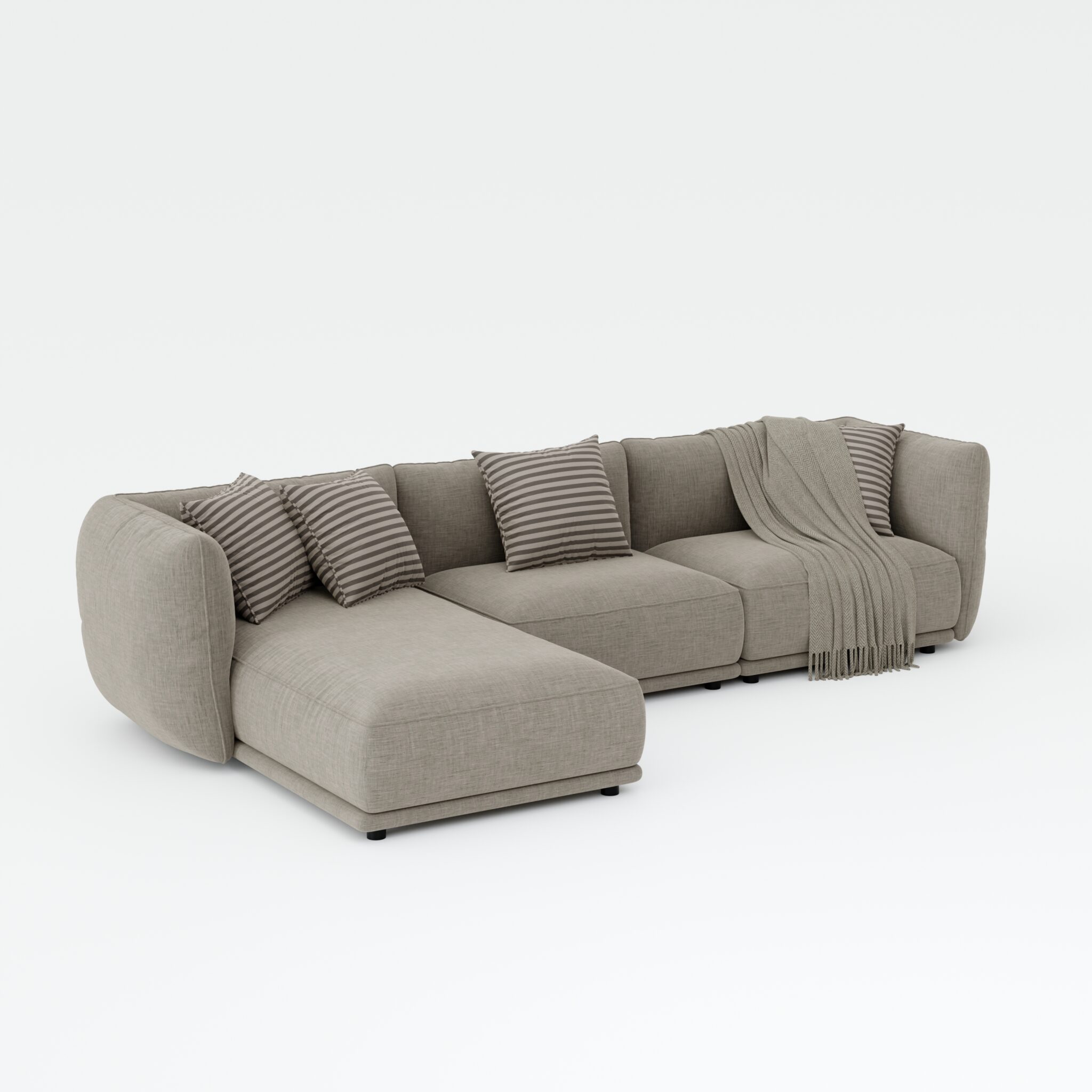
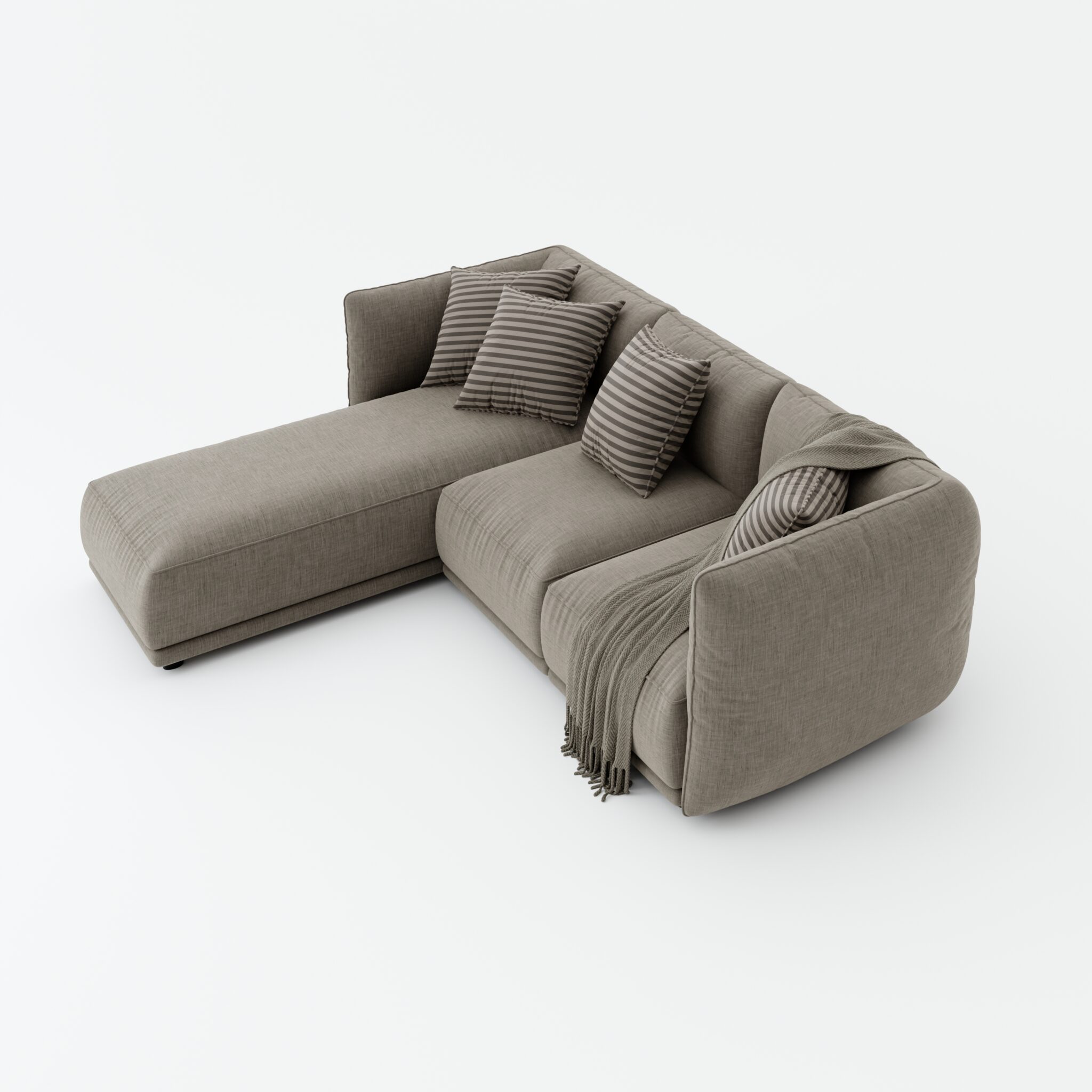
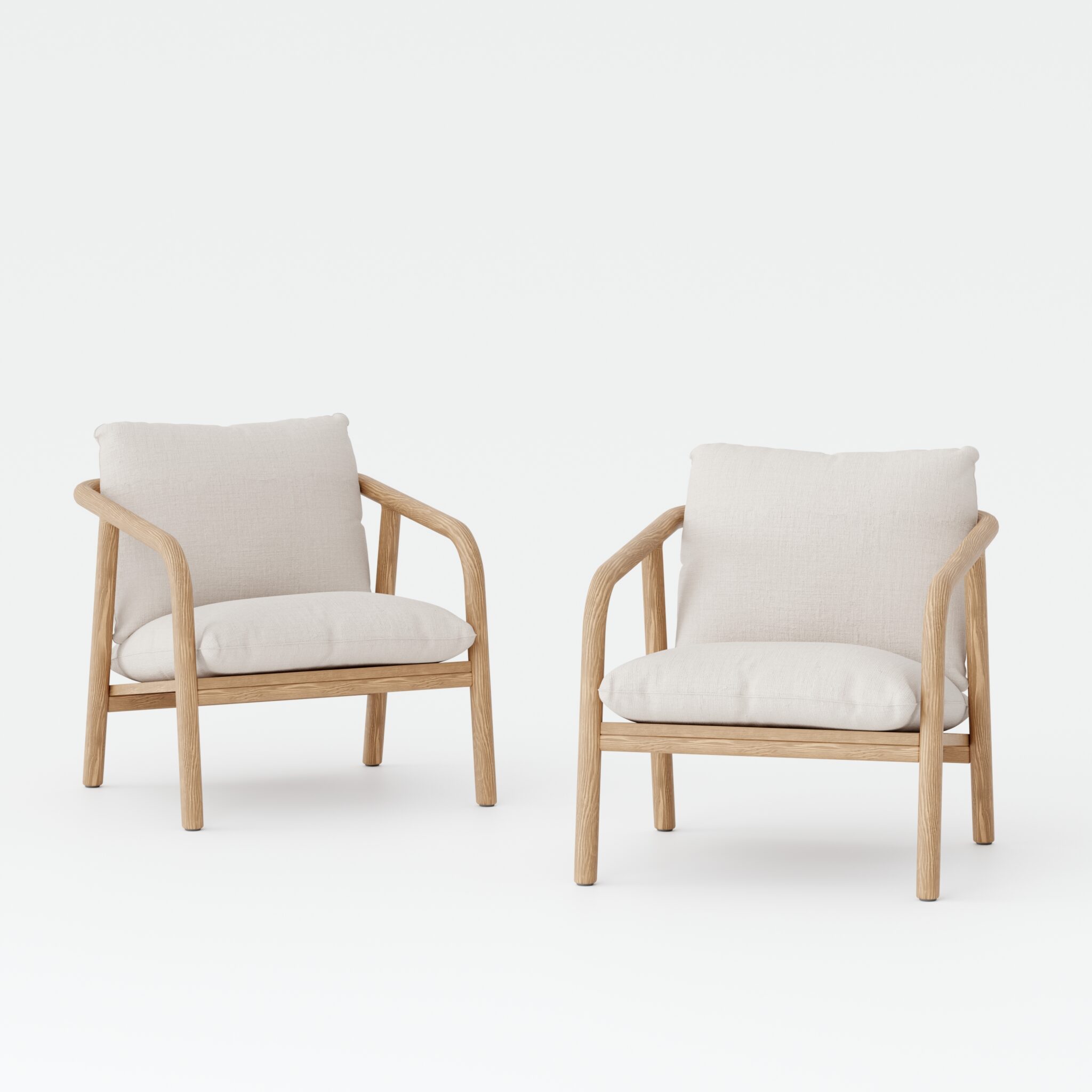
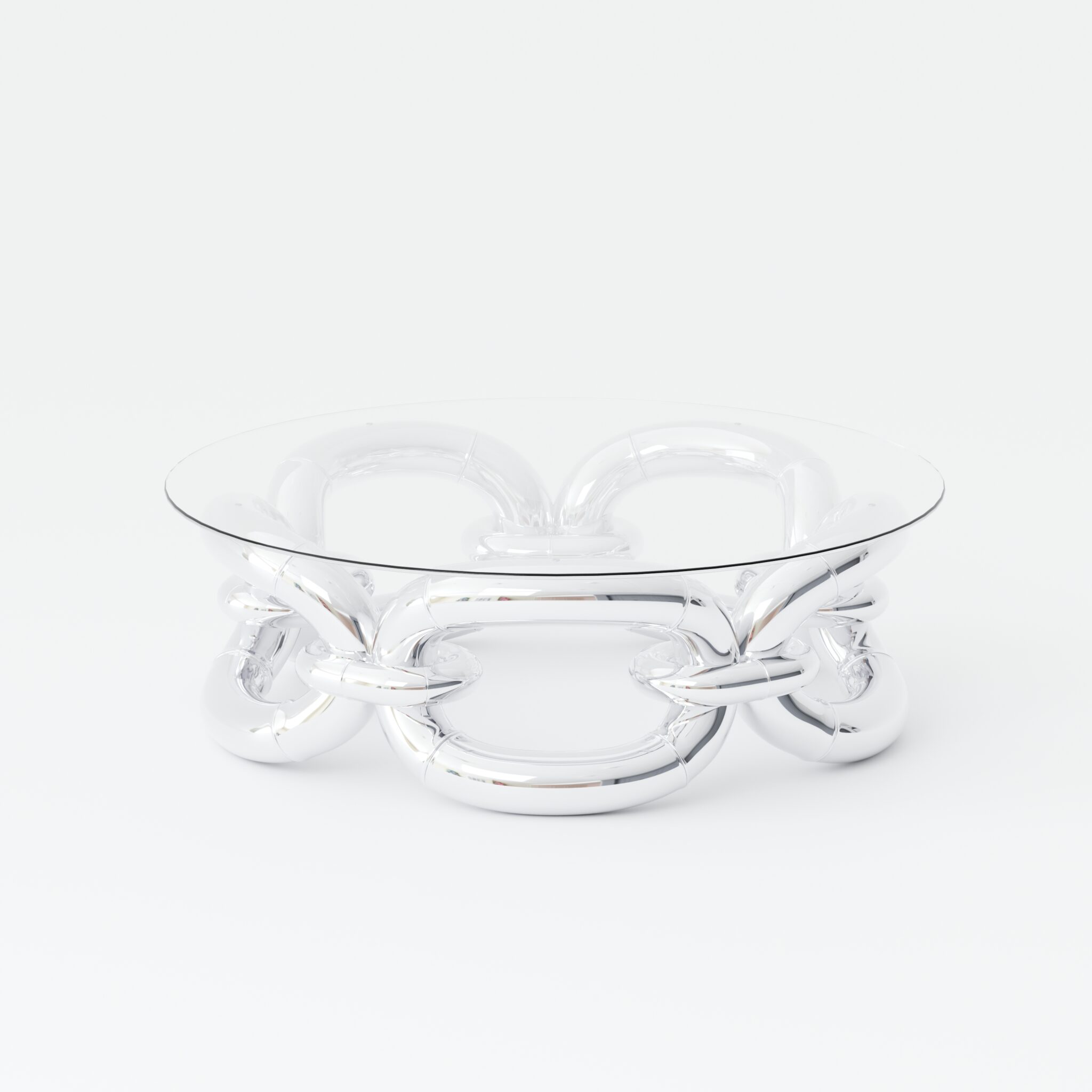
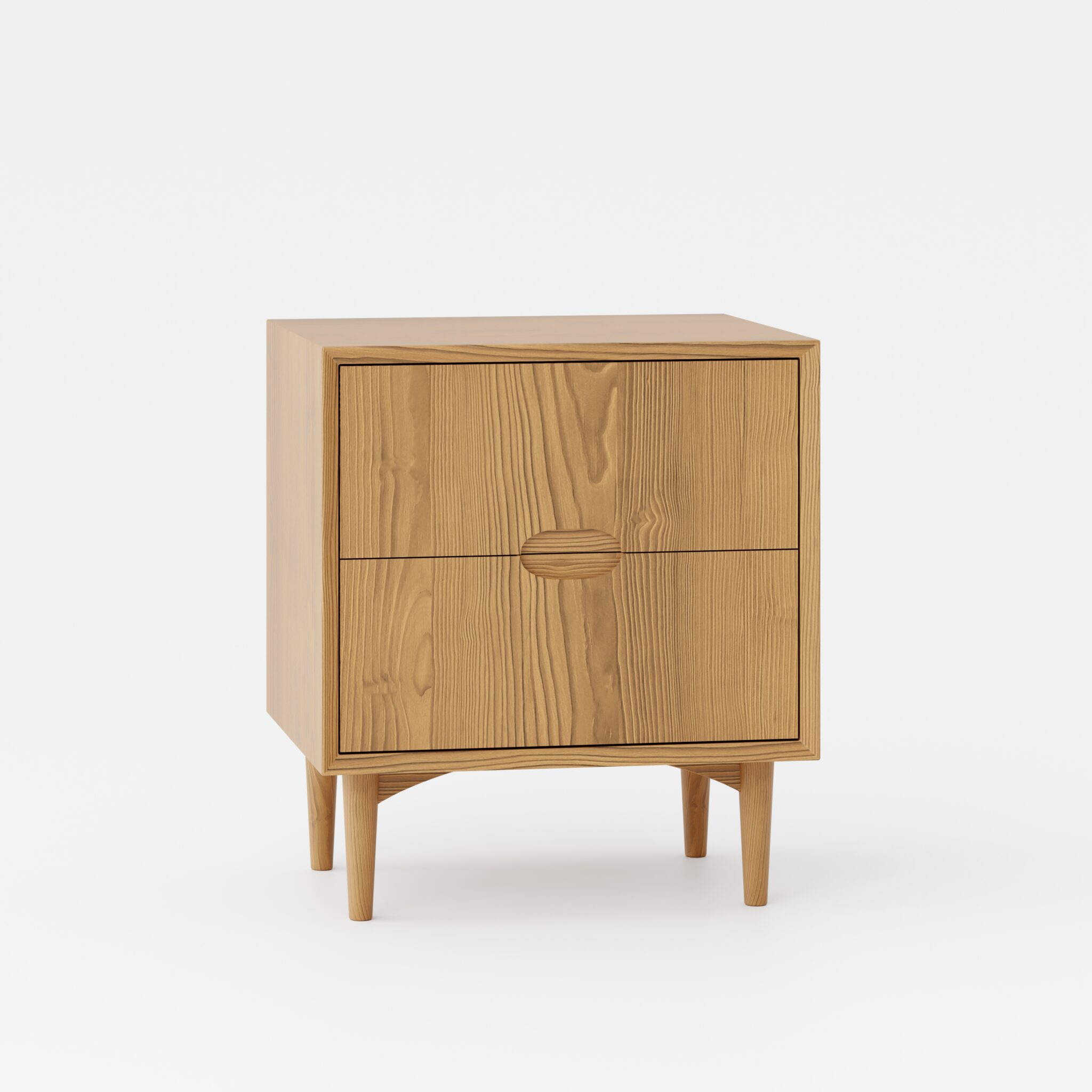
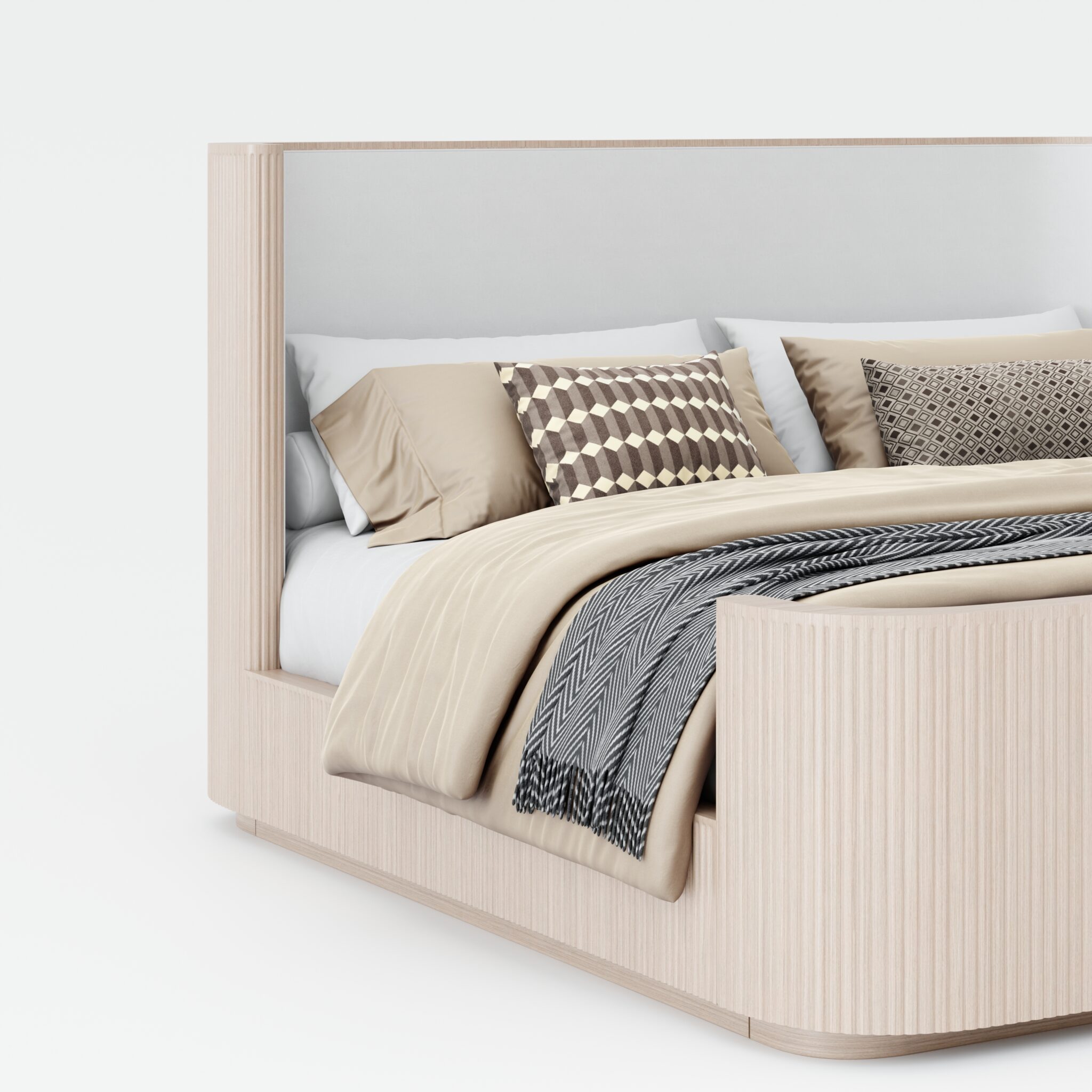
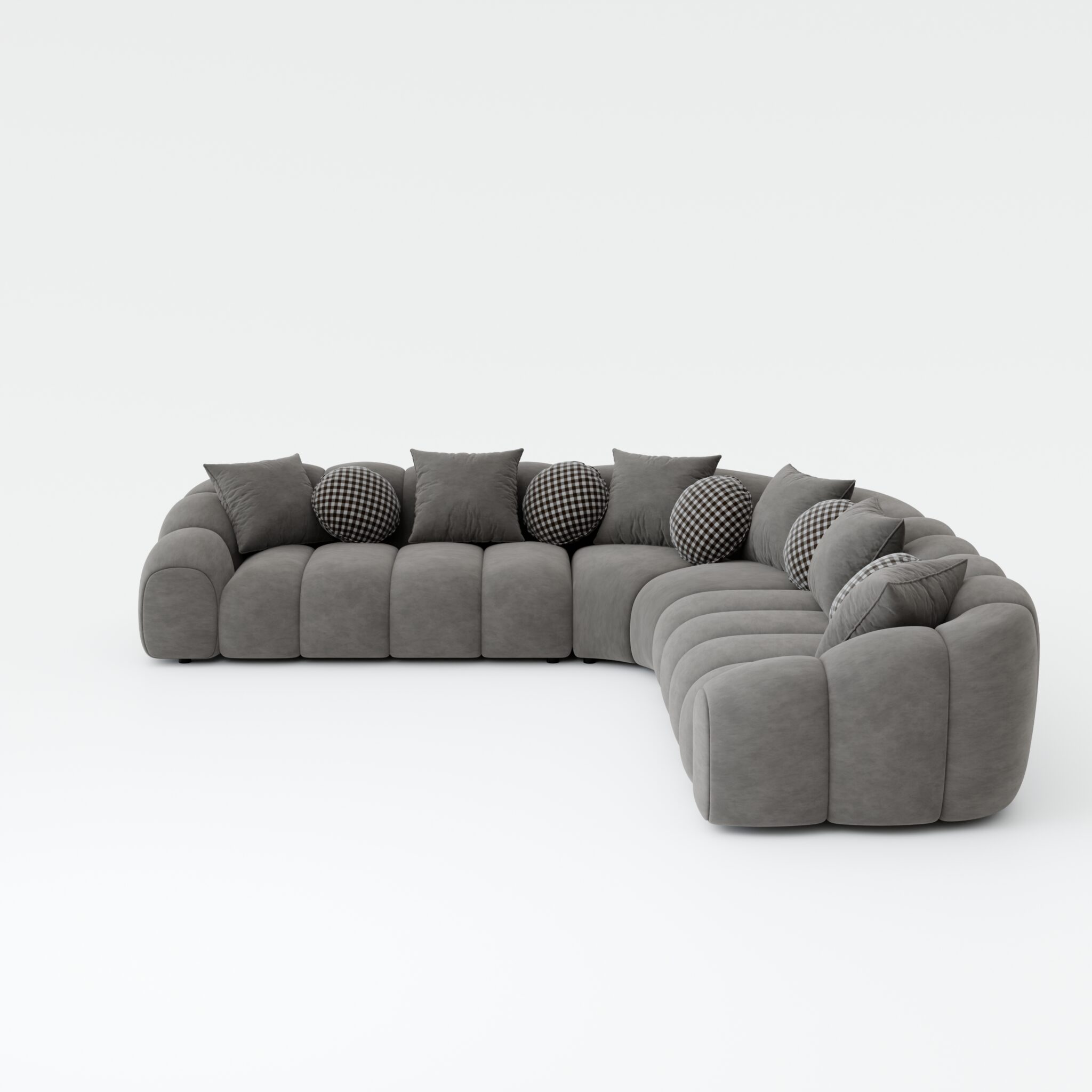
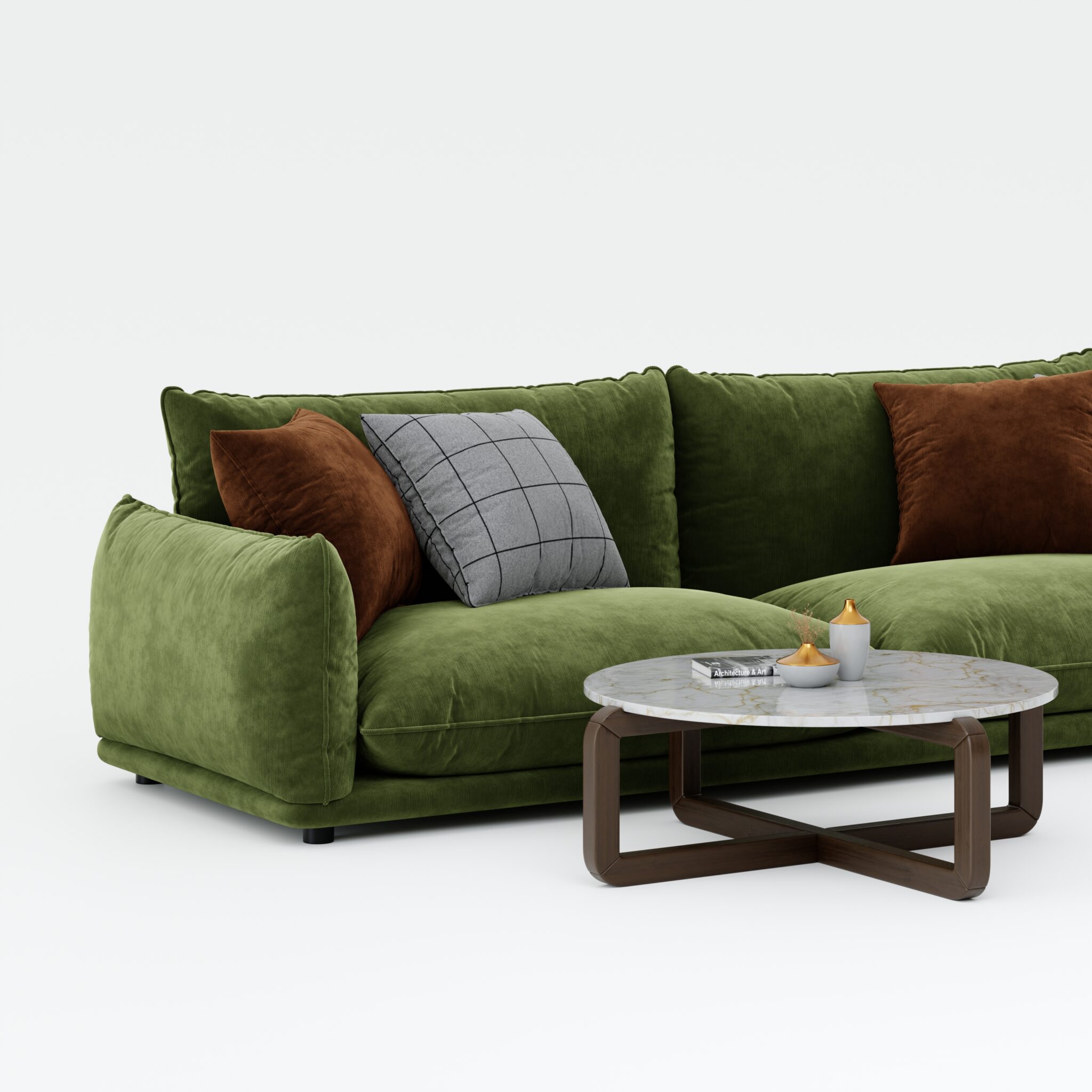
We create high-quality 3D furniture packshot visualizations, perfect for online stores, catalogs, and advertising campaigns. Thanks to our realistic renders, you can showcase every product detail - from fabric textures to fine finishes. What sets us apart is the ability to quickly generate multiple color and material variants, eliminating the need for costly photo shoots.
Have any questions?
Need more information or a custom quote? We are here to help. Feel free to write or call us.
FAQ - 3D Furniture Packshot Visualizations
Do you have questions about our 3D product renders? Below, you will find answers to the most frequently asked questions regarding the process, advantages, and costs of creating 3D packshot visualizations. As specialists in 3D graphics for the furniture industry, we are here to provide all the information you need.
What exactly are 3D furniture packshot visualizations?
3D furniture packshot visualizations (also known as product renders or white-background visualizations) are photorealistic digital images showcasing a single product, typically on a solid, neutral background (white, gray, or other). The purpose of a packshot is to faithfully and in detail represent the piece of furniture - its shape, material, texture, and color - without any distracting environmental elements. It is a digital alternative to traditional product photography, offering significantly greater flexibility and consistency.
Why are 3D product renders better than traditional furniture photography?
Choosing 3D renders over a photo shoot is a strategic business decision. The main advantages include:
- Perfect Consistency: Every piece of furniture in a collection, regardless of its color or material variant, can be presented with identical lighting and framing - something that is difficult to achieve in traditional photography. This ensures visual consistency across your online store or catalog.
- Unlimited Modification Possibilities: Changing upholstery colors, wood types, or handles does not require a new photo shoot. A simple modification to the 3D model is enough, making the process much faster and more cost-effective.
- No Logistics Required: You do not need to transport heavy furniture to a photo studio. The entire process is handled digitally based on technical drawings, reference photos, or 3D models.
- Ideal Conditions: You have full control over lighting and the environment. We can create perfect studio conditions that highlight your product's best features, regardless of the time of day or weather.
- Marketing Materials Before Production: You can start selling and marketing your furniture before the first piece even leaves the production line.
How much does a 3D packshot visualization of a single piece of furniture cost?
The price of a 3D furniture visualization depends on several key factors:
- Model Complexity: A simple nightstand will be less expensive to prepare than a complex, carved armchair with many intricate details.
- Quality of Provided Materials: Do you already have a 3D model, or do we need to create it from scratch based on technical drawings (DWG, DXF) or photos?
- Detailing of Textures and Materials: Does the furniture have complex fabric patterns, visible stitching, or unusual wood finishes? Creating realistic materials (so-called shaders) is crucial for achieving photorealism.
- Number of Shots and Variants: When ordering a larger number of renders (e.g., an entire furniture collection or one piece in 10 color variants), the unit price is typically lower.
To receive an accurate quote, please contact us and send your project specifications.
What materials do I need to provide to order 3D product renders?
The more information you provide, the more accurate the final render will be. The most helpful materials include:
- CAD Files or 3D Models (if available): Formats such as .step, .iges, .dwg, .fbx, or .obj are ideal.
- Technical Drawings: Including dimensions, cross-sections, and specific details.
- Reference Photos: High-quality photos of the existing product from various perspectives.
- Material Samples: Clear photos or scans of fabrics, veneers, metals, etc. It is important to show their texture and color in neutral lighting.
- Product Description: Information about the finish (matte, gloss) and any specific details that we should emphasize.
In what format and resolution will I receive the finished packshots?
By default, we deliver product renders in formats optimized for various applications:
- For Web: JPG or compressed PNG files, at resolutions such as 2000×2000 px, 72 DPI. PNG files can have a transparent background, making them easy to place on your website.
- For Print: Uncompressed TIFF or JPG files in high resolution (e.g., 4000×4000 px or higher), 300 DPI, in the CMYK color space.
We are flexible and will adapt the format, resolution, and aspect ratio to your individual needs, whether you require graphics for an e-commerce store, a product catalog, or a billboard.
How exactly do you showcase details, such as fabric textures or wood grains?
The secret to photorealism lies in the details. To perfectly replicate the structure of furniture materials, we use advanced 3D texturing techniques. Based on the provided photos or sample scans, we create digital texture maps that simulate not only color but also texture (normal and bump maps), glossiness (reflection maps), and micro-imperfections. As a result, the final render reveals individual threads in a fabric weave, the natural grain of wood, or the delicate porosity of leather. For upholstered furniture, we can precisely model every seam, wrinkle, or tufting.
What does the approval process look like, and are revisions included in the price?
Transparent cooperation is key for us. Our process always includes an approval stage to ensure that the final result is 100% consistent with your expectations. Typically, it looks like this:
- After preparing the initial scene (model setup, lighting, and applying materials), we send you draft renders in a lower resolution.
- At this stage, you have the opportunity to provide feedback regarding, for example, the camera angle, lighting intensity, or the appearance of materials.
- Standard pricing includes 1-2 rounds of minor revisions.
- After your final approval of the draft renders, we proceed to generate the images in the full, target resolution.
Our goal is your complete satisfaction, which is why we ensure efficient communication at every stage of the project.
